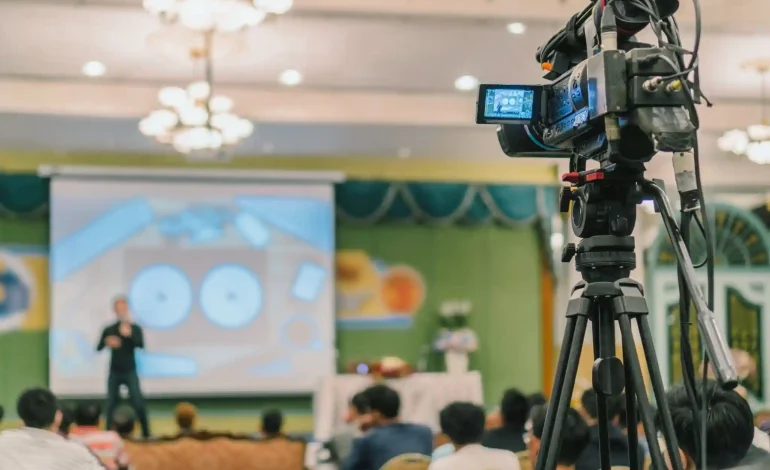

Corporate events are dynamic, fast-moving, and often unpredictable. They are not like studio shoots or casual brand photography sessions. At a conference, award ceremony, product launch, or internal celebration, a key moment can occur in seconds, and once it passes, it cannot be recreated. A speaker might deviate from the schedule, a VIP may arrive unexpectedly, or lighting conditions may change in an instant. Capturing these fleeting moments with professionalism requires more than just a high-end camera—it requires strategy, preparation, and a clear understanding of the event’s goals. Preparing thoroughly ensures that your photography adds real business value while maintaining a polished, professional look that the organization can use for marketing, internal communication, press, and recruitment purposes.
Why preparation matters more than the camera you bring
Many photographers assume that having the latest camera or lens is the key to success, but in corporate events, preparation outweighs gear. Corporate events are fast-paced, and opportunities are fleeting. You cannot pause a keynote because your settings are wrong, nor can you ask a CEO to repeat an award moment because you forgot your backup card. Moments cannot be recreated, which is why thorough planning is essential. Preparation allows you to anticipate key moments, choose the right angles, and work efficiently without being intrusive. When you plan ahead, your images gain consistency because you know the style and shots the client expects. Professionalism improves because you arrive ready, follow schedules, and handle challenges calmly. Perhaps most importantly, preparation strengthens storytelling, enabling you to capture a narrative arc from arrivals and networking to stage presentations, audience reactions, and closing highlights. In essence, your planning transforms chaotic events into compelling visual stories that meet strategic business goals.
Get clarity on the purpose of the Corporate Event
Understanding why the event exists is the first step in strategic photography. Every corporate event serves a purpose, whether it is networking, celebrating achievements, launching a product, or delivering knowledge at a conference. Knowing the purpose guides what you capture, how you shoot it, and how you later present the images.
Identify the event’s main goal
Corporate events vary widely, and each requires a different approach. Networking events require shots that highlight engagement, conversation, and authentic connection. Awards or recognition events require stage coverage, trophy handovers, and candid reactions from winners and executives. Conferences and seminars demand speaker coverage, panel discussions, audience interaction, and a sense of authority. Product launches focus on demonstrating the product, capturing branding, and documenting reactions. Internal celebrations prioritize candid team moments, culture, and leadership visibility without appearing staged. When you identify the goal, your photography is strategic rather than random, ensuring the images create measurable business value.
Define the photo usage before the event starts
Another critical step is understanding how the images will be used. Different platforms and purposes have unique requirements. Website photos demand polished compositions, clear branding, and timeless appeal. Social media images need variety, including horizontal and vertical crops, and must capture energy and personality. Press releases require storytelling clarity, highlighting key figures and events. Internal newsletters benefit from candid shots that communicate culture and engagement, while recruitment branding relies on images that convey a positive, inclusive workplace. Knowing the usage ahead of time allows you to plan lighting, composition, and subject matter so that the images meet the client’s goals effectively.
Confirm the “must-capture” priorities
Even with a clear purpose, some moments are essential. Must-capture shots typically include executives, VIPs, stage presentations, audience interaction, and branded elements such as signage or sponsor logos. Some events may also require capturing sensitive moments or avoiding certain areas or individuals. Creating a written priority list prevents missed opportunities and ensures you can focus on the most valuable shots even if the schedule changes.
Coordinate with the right people before the event day
Corporate events involve multiple stakeholders, and communication is critical. Start by identifying key contacts, including the event organizer, marketing team, and venue coordinator. The organizer provides the event flow and timing, while marketing defines the brand priorities, messaging, and style expectations. The venue coordinator guides logistics, including where you can stand, lighting conditions, and restricted areas. Collect a detailed schedule, speaker list, and key moments timeline, ensuring you know where and when critical moments occur. Secure access permissions for stages, VIP areas, backstage, and media zones. Early coordination avoids conflicts and ensures smooth execution, elevating you from a photographer to a trusted event partner.
Build a shot list that covers business value, not just visuals
A strategic shot list ensures that you capture images that deliver business value rather than just aesthetic appeal.
Executive and VIP coverage
Executives and VIPs are often central to corporate events. Capture their arrivals, handshakes, small conversations, group interactions, and candid leadership moments. Prioritize clean backgrounds and flattering lighting, ensuring every shot can be used in marketing or PR. Group images should show collaboration and engagement, reinforcing credibility and authority.
Branding and environment storytelling
Corporate photography must also communicate the event’s environment and branding. Document signage, sponsor logos, stage setups, name badges, and wide venue shots. Capturing both wide and detailed shots ensures that branding is evident while showing scale and atmosphere. Early venue shots, before the crowd arrives, are especially valuable for marketing and press purposes.
Energy and engagement moments
Audience reactions, applause, laughter, networking interactions, and team collaboration bring energy to your photos. These shots demonstrate that the event was dynamic and worthwhile. Position yourself to anticipate natural expressions rather than staging interactions. Candid moments create emotional impact, which makes the images more effective for social media, newsletters, and promotional campaigns.
Scout the venue like a photographer and think like a planner
Visiting the venue ahead of time is essential. Evaluate lighting conditions, stage angles, and potential backgrounds. Identify “safe zones” where you can shoot without obstructing the audience or distracting speakers. Look for clean angles, removing clutter, cables, or disruptive elements. Advanced planning also allows you to designate a reliable portrait corner for executive and VIP shots, ensuring quick and professional images whenever requested. Scouting ensures that you can move seamlessly during the event and maintain visual consistency despite changing conditions.
Choose gear based on the Corporate Event format
Your equipment should support the event’s unique requirements rather than personal preference.
Lens strategy for fast-moving coverage
A versatile lens setup is critical. Wide lenses capture venue context and branding, mid-range lenses document candid interactions, and telephoto lenses allow close-ups of stage moments without intruding. Minimizing lens changes reduces missed moments and maximizes efficiency.
Lighting tools that keep the look professional
Lighting is often unpredictable at corporate venues. Use flashes, reflectors, or bounced light to maintain consistent exposure without harsh shadows. Avoid intrusive flash that disturbs attendees or creates unnatural highlights. Consider reflective surfaces and mixed lighting to prevent color inconsistencies, ensuring that every shot looks polished.
Backup essentials you shouldn’t skip
Always have spare batteries, memory cards, dual storage, chargers, and cleaning kits. Corporate events are high-pressure; gear failures can compromise critical moments. Backup preparedness ensures uninterrupted coverage and builds client confidence.
Plan your timing so you don’t miss the most valuable moments
Arrive early to photograph the empty venue, setup, staff prep, and branding displays. Identify key moments like opening remarks, awards, and panel highlights. Consider overlapping activities such as breakout sessions and networking; prioritize moments that align with your client’s objectives. Effective timing ensures comprehensive coverage without chaos or missed opportunities.
Create a workflow that keeps images safe and delivers fast
On-site file management is critical. Rotate cards, maintain backups, label files, and organize content to avoid confusion. Post-event, prioritize editing for color consistency, exposure, and brand alignment. Deliver images according to platform needs—social media-ready galleries or high-resolution files for press and internal use. A smooth workflow demonstrates professionalism and builds trust for future events.
Improve results by guiding people without interrupting the event
Direct group photos quickly and efficiently to maintain flow. Offer subtle posing tips that appear natural. Capture candid moments without obstructing or drawing attention, balancing unobtrusiveness with strategic framing. By combining direction with discretion, you achieve professional-quality images without disrupting the experience.
Final checklist for a smooth Corporate Event photography session
Before the event, confirm the schedule, shot list, contacts, and access passes. Double-check gear, backup plans, and arrival logistics. Remember that success depends not just on technical skills, but on professionalism, flexibility, and storytelling focus. A well-prepared photographer navigates chaos, anticipates opportunities, and delivers images that capture the essence and purpose of the event.