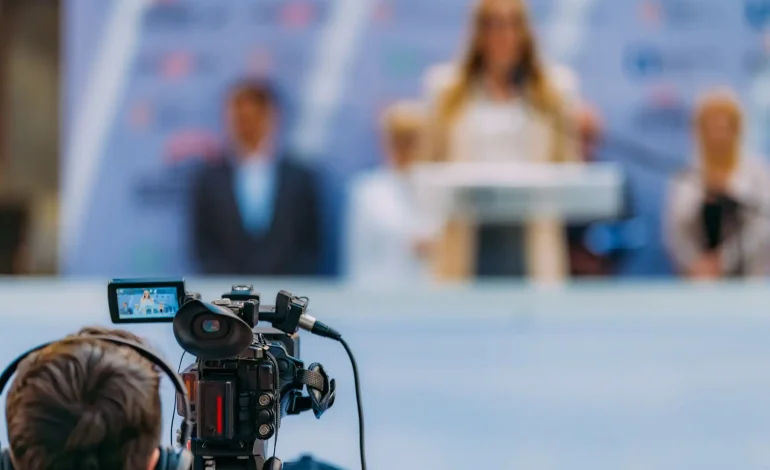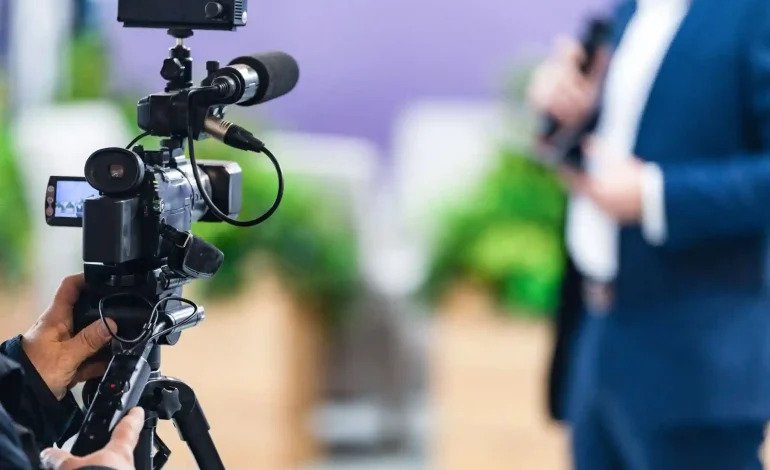

Corporate events are high-stakes environments where every moment matters. From conferences to gala dinners, photography captures both the brand’s image and the event’s story. Success requires more than technical skill; it demands anticipation, discretion, and professional judgment. Experienced photographers know that capturing decisive moments while aligning with corporate objectives sets their work apart.
Analyzing the Event Landscape Before Shooting
Decoding Event Objectives
Understanding the client’s goals is the first step in professional event photography. Corporate clients may prioritize branding, social media content, investor documentation, or executive portraits. Knowing which moments are mission-critical and which are secondary allows photographers to allocate their attention efficiently. A seasoned professional will discuss deliverables, timelines, and image style upfront, ensuring expectations are clear and the coverage aligns with the event’s business objectives. This clarity informs every decision, from positioning to lens selection.
Event Type Nuances
Different event types demand distinct approaches. Conferences and panels often require quick reactions to speakers, interactive Q&A moments, and stage lighting adjustments. Galas and awards ceremonies demand elegance, precise composition, and attention to guests’ attire and ambiance. Networking mixers emphasize candid interactions and natural expressions, often in low-light or crowded settings.
Assessing Risks and Challenges
Advanced photographers anticipate obstacles before the event begins. Crowded venues, variable lighting, restricted mobility, and security constraints are common challenges. Preemptive strategies include identifying key vantage points, planning backup positions, and ensuring redundancy in equipment.
Pre-Event Planning for Precision Photography
Client Briefing and Expectations Management
A detailed client briefing sets the foundation for success. Discussing image style, brand consistency, and key deliverables ensures alignment. Highlighting priority moments such as executive speeches, award presentations, or VIP networking allows photographers to pre-plan lighting setups and camera angles. Professionals may also propose additional value, such as behind-the-scenes imagery, that enhances the final gallery. Effective communication at this stage avoids misunderstandings and demonstrates expertise.
Venue Reconnaissance and Technical Planning
Scouting the venue in advance is critical for anticipating challenges. Examine natural and artificial lighting, identify shadows, glare points, and reflective surfaces, and note spatial constraints. Mapping zones for unobtrusive coverage ensures access to key moments while staying out of attendees’ way. Professionals often test lighting combinations and practice camera settings in situ, which reduces surprises and accelerates workflow during the live event.
Advanced Equipment Strategy
Equipment choice is a strategic decision. Prime lenses provide sharpness and wide apertures for low-light conditions, while zoom lenses offer flexibility for changing distances and compositions. Redundant camera bodies and backup lenses mitigate risks of failure. Portable strobes, reflectors, and remote triggers enhance lighting control without overwhelming the environment. Experts also consider battery life, memory capacity, and protective gear for crowded or outdoor spaces. Every choice should support efficiency, reliability, and visual impact.
Shooting Techniques for Expert Photographers
Advanced Lighting Management
Corporate events often feature complex lighting setups, combining stage lights, ambient lighting, and screens. Professionals balance ambient exposure with flash or continuous lighting to maintain natural skin tones and prevent harsh shadows. Using bounce techniques, gels, and diffusers allows subtle control of highlights and contrasts. In low-light networking areas, a fast prime lens combined with careful ISO management prevents noise while capturing candid interactions. Advanced lighting strategies ensure consistent quality across multiple environments.
Mastering Composition Under Pressure
Composition is more than framing; it tells a story. Capturing gestures, expressions, and interactions provides context and emotional depth. Layering foregrounds and backgrounds enhances visual storytelling and emphasizes key figures without isolating them. Professionals track movement across the room, positioning themselves strategically to capture natural expressions while maintaining compositional balance. Environmental context, such as banners, branding elements, or stage design, adds narrative value and strengthens the corporate message.
Handling Movement and Dynamic Scenes
Anticipating action is essential in conferences, panel discussions, and networking events. Professionals adjust shutter speed and use burst modes to freeze decisive moments, ensuring clarity in fast-paced environments. Predictive framing, visualizing likely gestures, speech highlights, or audience reactions, enables photographers to preemptively capture impactful shots. Awareness of light sources, potential distractions, and obstruction risks ensures images are both sharp and expressive.
Formal Portraits and Executive Shots
Even in a dynamic environment, formal portraits remain crucial. Posing executives and VIPs should appear natural and confident. Using subtle angles and lighting enhances professionalism while maintaining authenticity. Group shots require efficient direction to minimize disruption and maintain consistency. Experienced photographers integrate corporate branding subtly in portraits, using background elements or props without overwhelming the frame. Time-efficient strategies ensure these formal images complement candid coverage rather than interrupting it.
Post-Event Workflow and Professional Delivery
Culling and Image Prioritization
Large events produce hundreds or thousands of images. Professionals use advanced culling techniques to identify shots with technical quality, impact, and storytelling value. Selecting sequences that reflect the event’s progression creates a coherent narrative. Prioritizing images for press, marketing, or internal use ensures the client receives maximum value from the coverage.
Editing with Branding Alignment
Post-processing reinforces the client’s corporate identity. Color grading, exposure adjustments, and contrast management maintain consistency across images. Minimal retouching preserves authenticity while enhancing professionalism. Watermarking or subtle branding in select images ensures proper attribution without detracting from visual quality. Cohesive editing strengthens the event’s story and provides a polished product for multiple channels.
Client-Centric Delivery and Asset Management
Timely delivery is a hallmark of professional service. Tiered delivery strategies, highlight reels for social media, and comprehensive galleries for internal archives address varying client needs. Metadata tagging, secure cloud storage, and systematic backups safeguard the images. Clear communication regarding delivery timelines and formats enhances client trust and satisfaction.
Advanced Insights and Decision-Making
Anticipating Key Moments
Professional photographers read the event to predict critical moments. Observing speakers’ patterns, audience engagement, and cue points allows pre-positioning for optimal angles. This proactive approach ensures coverage of awards, speeches, or spontaneous interactions without missing decisive frames.
Balancing Creativity and Professionalism
Creative compositions, reflections, and unconventional perspectives enhance storytelling without compromising corporate standards. Subtle experimentation with angles, framing, or depth of field can produce visually striking results while remaining professional and brand-aligned. The key is discretion and taste, ensuring artistic choices support the event’s objectives.
Challenges in Corporate Event Photography and Solutions
Low-Light and Mixed Lighting Scenarios
Indoor corporate venues often feature uneven, dim, or colored lighting. Solutions include using wide-aperture lenses, adjusting ISO, and deploying portable strobes or diffusers. Custom white balance and in-camera exposure adjustments help maintain color fidelity across diverse light sources. Professionals plan for these challenges to ensure consistently high-quality images.
Large-Scale Coverage and Crowd Dynamics
Capturing plenary sessions, panel discussions, and networking clusters requires careful planning. Wide-angle lenses convey scale, while selective focus highlights interactions. Professionals move discreetly to obtain unobstructed angles, balancing comprehensive coverage with minimal disruption. Layering shots from multiple perspectives adds depth to the event narrative.
Consistency Across Multi-Day Events
For multi-day conferences or exhibitions, maintaining stylistic and technical consistency is critical. Calibration of cameras, lighting settings, and post-processing workflows ensures a unified look. Coordinating among multiple photographers or teams further enhances coverage reliability and client satisfaction.
Emerging Trends in Corporate Event Photography
Integration with Hybrid and Virtual Events
Digital components require dual attention to physical and online audiences. Multi-camera setups, live streaming coordination, and high-resolution digital content ensure both in-person and remote participants are captured effectively. Photographers increasingly collaborate with AV teams to enhance digital experiences.
Use of Innovative Technology
Drones, 360° imaging, and VR content expand storytelling possibilities. Real-time editing for social media or press use during the event allows clients to leverage photography instantly for marketing or communications. Professionals balance technology integration with unobtrusive operation.
Conclusion
Corporate event photography demands more than technical skill; it requires strategic thinking, anticipation, and judgment. Advanced planning, precise execution, and professional decision-making ensure coverage that serves branding, marketing, and archival purposes. By balancing creativity with professionalism, leveraging technology, and maintaining strong client relationships, photographers deliver impactful, high-quality results. Continuous skill refinement and adaptability to hybrid and digital event formats position professionals as invaluable partners in corporate storytelling.
Frequently Asked Questions
1. How can experienced photographers capture candid corporate moments unobtrusively?
Position strategically, anticipate interactions, and use long lenses or subtle angles to remain discreet while capturing genuine expressions.
2. What are advanced lighting strategies for large indoor events?
Combine ambient light with diffused flash, bounce techniques, and careful ISO and shutter speed adjustments for consistent results.
3. How do you maintain image consistency across multi-day corporate events?
Calibrate cameras, synchronize lighting and color profiles, and standardize post-processing workflows among all photographers.
4. What are the best practices for blending creativity with corporate brand standards?
Use subtle angles, reflections, or depth while respecting the client’s style guide and maintaining a professional tone.
5. How can corporate event photographers adapt to hybrid or virtual events?
Integrate multi-camera setups, capture digital attendees, coordinate with AV teams, and provide real-time content for online platforms.