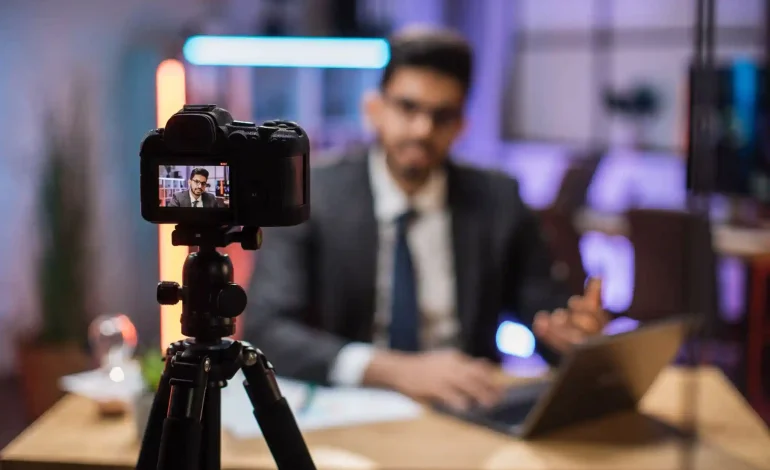

Corporate event photography is one of the most demanding areas of business photography. The environment is fast-paced, lighting conditions change constantly, and moments cannot be recreated. Clients expect polished, consistent results that reflect professionalism and brand value. Choosing the right corporate event photography equipment is not about owning the most expensive gear, but about reliability, adaptability, and confidence under pressure.
This guide is written for photographers who already understand the basics and want expert-level clarity. It focuses on real-world decision-making, not theory. The goal is to help you select cameras, lenses, lighting, and accessories that perform reliably during conferences, product launches, seminars, and executive gatherings.
Understanding Corporate Event Photography Requirements
Before selecting equipment, it is essential to understand what corporate environments demand. These events are rarely controlled shoots. Lighting changes from stage spots to dimming networking halls. Subjects move quickly, and moments happen once. Equipment must respond instantly without distracting attendees.
Corporate clients value consistency more than creativity. Images should be clean, sharp, and brand-appropriate. Your corporate event photography equipment must support long shooting hours, silent operation, and fast delivery workflows. Gear failure or slow handling directly affects credibility and repeat business.
Camera Bodies Best Suited for Corporate Events
Camera bodies are the backbone of corporate event photography equipment. Reliability matters more than headline specifications. You need cameras that perform well in low light, focus accurately on moving subjects, and handle continuous shooting without overheating or lag.
Full-frame mirrorless and DSLR cameras dominate corporate environments because of their dynamic range and low noise performance. Dual card slots are critical for instant backups. Weather sealing is also valuable, especially for large venues or outdoor corporate gatherings. A camera that balances ergonomics and performance reduces fatigue during long events.
Mirrorless Versus DSLR for Corporate Use
Mirrorless cameras offer silent shooting, faster autofocus tracking, and lighter bodies. These advantages matter in boardrooms and keynote sessions where discretion is required. DSLR systems still appeal to photographers who prefer optical viewfinders and longer battery life.
From a practical standpoint, mirrorless systems are increasingly favored in corporate event photography equipment setups. Their eye detection autofocus helps capture natural expressions, especially during candid interactions. However, whichever system you choose, mastery and reliability outweigh brand or format.
Lenses That Deliver Professional Results
Lenses define how your images look more than camera bodies. Corporate event photography equipment should include versatile lenses that handle multiple scenarios without frequent changes. Missed moments often happen during lens swaps.
Zoom lenses with wide apertures are essential. A standard zoom covers most interactions, while a telephoto zoom allows discreet captures during presentations. Prime lenses are useful but secondary, as flexibility matters more than shallow depth of field in business environments.
A typical professional setup includes no more than two primary lenses. This keeps movement efficient and minimizes distractions. Sharpness, fast autofocus, and minimal distortion are more important than extreme focal lengths.
Lighting Equipment for Corporate Events
Lighting is often the difference between average and premium corporate photography. Many venues use mixed or unflattering lighting. Relying solely on ambient light limits consistency and increases post-production time.
External flash units are a core part of corporate event photography equipment. They allow controlled exposure without overpowering the environment. Bounce flash techniques create natural-looking results suitable for corporate branding. On-camera flash with proper modifiers is usually sufficient for most events.
Off-camera lighting is useful for staged shots such as executive portraits or sponsor backdrops. However, it should be quick to set up and easy to dismantle. Corporate events rarely allow complex lighting rigs.
Audio and Video Considerations
While still photography is the primary focus, many corporate clients expect hybrid coverage. Cameras that handle high-quality video add value to your service offering. Corporate event photography equipment increasingly includes hybrid capable bodies.
Good microphones and stabilization tools help capture short interviews or keynote highlights. Even if the video is secondary, having reliable audio tools ensures you can meet unexpected client requests. This flexibility positions you as a full-service professional rather than a single skill provider.
Accessories That Improve Efficiency and Reliability
Accessories are often overlooked, yet they play a major role in smooth event coverage. Corporate event photography equipment should include tools that prevent downtime and support fast workflows.
Extra batteries and memory cards are non-negotiable. Comfortable camera straps or harnesses reduce fatigue. Compact backups ensure that technical issues never interrupt coverage. These small details often separate experienced professionals from amateurs.
Essential accessories typically include the following:
-
Spare batteries and dual card storage solutions
-
Lightweight flash modifiers for soft lighting
-
Comfortable carrying systems for long events
This setup prioritizes efficiency and preparedness without adding unnecessary weight.
Choosing Equipment Based on Event Type
Not all corporate events are the same. Equipment choices should align with the event format. Conferences require long lens reach and silent operation. Networking events demand mobility and fast reaction times. Award ceremonies often need controlled lighting and telephoto coverage.
Understanding the client’s agenda helps determine which corporate event photography equipment to bring. Overpacking increases fatigue, while underpacking risks missing moments. Experienced photographers tailor their kits based on venue size, audience flow, and lighting conditions.
Budget Versus Professional Investment
Professional corporate event photography equipment is an investment, not an expense. Clients pay for reliability and results, not brand names. Mid-range professional gear often delivers better return on investment than flagship models. It is better to master fewer tools than to own excessive equipment. Reliable bodies, versatile lenses, and consistent lighting tools produce dependable results. As your business grows, upgrades should be driven by client needs rather than trends.
Expert Advice on Long-Term Gear Strategy
Seasoned professionals think in systems, not individual items. Corporate event photography equipment should work seamlessly together. Matching color profiles, consistent ergonomics, and shared batteries simplify workflows. Maintenance is equally important. Clean sensors, calibrated lenses, and tested backups prevent failures. Regularly reviewing your kit ensures it aligns with current client expectations. Equipment should support your reputation, not distract from it.
Final Thoughts
Corporate event photography demands precision, speed, and discretion. The best equipment choices prioritize reliability and adaptability over novelty. When your tools support confident decision-making, you can focus on capturing moments that matter to clients. Selecting the right corporate event photography equipment is about understanding environments, anticipating challenges, and preparing for the unexpected. With the right setup, professional results become repeatable, scalable, and profitable.
FAQs
1. What camera features matter most for corporate event photography equipment?
Low light performance, fast autofocus, silent shooting, and dual card slots matter most because corporate environments demand reliability, discretion, and consistent image quality throughout long events.
2. Are mirrorless cameras better than DSLRs for corporate events?
Mirrorless cameras are often preferred due to silent operation and advanced autofocus, but DSLRs still perform well when battery life and optical viewfinders are priorities for specific workflows.
3. Which lenses are essential for corporate event photography equipment?
A standard zoom and a telephoto zoom cover most situations, offering flexibility for candid shots, presentations, and group interactions without frequent lens changes.
4. Is flash necessary for corporate event photography?
Yes, external flash improves consistency in mixed lighting and helps maintain professional quality, especially in indoor venues with poor or uneven ambient lighting.
5. How much equipment should a corporate event photographer carry?
Carry only what you need for the specific event, focusing on reliability and efficiency to avoid fatigue while ensuring full coverage of key moments.